CNC Turning: What we learned working with CNC Machines on the factory floor
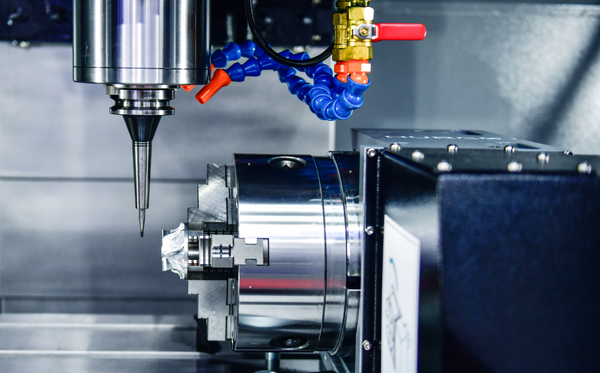
After spending years around CNC machines in a manufacturing environment, we have seen how much precision and consistency matter when producing parts for different industries. While too many articles explain machining from a theoretical perspective, my understanding of CNC turning comes from observing daily production runs, troubleshooting machining issues, checking finished components, and working alongside experienced machine operators and engineers.
In modern manufacturing, CNC turning is one of the most commonly used machining processes because it allows factories to produce accurate cylindrical components quickly and consistently. Whether the part is a simple shaft or a complex threaded component, CNC turning helps maintain the precision that today’s industries demand.
Experience With CNC Turning
When I started working in a machine environment, one thing that I learned was how efficiently CNC lathes could transform a raw metal bar into a finished component. Watching a machine remove material with such accuracy was impressive, especially when hundreds of identical parts were produced with almost no dimensional variation.
Unlike conventional manual lathes, CNC turning machines operate using programmed instructions. Once the programme is verified and the machine is properly set up, it can repeatedly produce the same part while maintaining tight tolerances throughout the production batch.
How CNC Turning Works in Real Manufacturing
From my experience, the process starts long before the machine begins cutting material.
The engineering team creates a part design, usually based on customer requirements. That design is then converted into machine instructions. Once the setup is complete, the raw material is loaded into the machine chuck.
During production, operators continuously monitor:
- Tool wear
- Surface finish quality
- Dimensional accuracy
- Machine vibration
- Chip formation
Why Manufacturers Depend on CNC Turning
Consistent Accuracy
I have seen production runs where hundreds of components were measured during inspection, and dimensional variation remained extremely small because the CNC machine followed the same programmed instructions every cycle.
Faster Production
A manually machined part may take significantly longer to produce, especially when multiple operations are required. With CNC turning, many operations can be completed in a single setup.
Better Surface Finish
In several projects involving stainless steel and aluminum components, I noticed that optimized cutting parameters produced excellent surface finishes directly from the machine.
Materials Commonly Seen Used
Different industries require different materials, and CNC turning machines can handle a wide range of them.
Aluminum
Aluminum is one of the best materials to machine. It cuts efficiently, produces good surface finishes, and is widely used in automotive and industrial applications.
Stainless Steel
Stainless steel offers excellent strength and corrosion resistance, but it requires careful control of cutting speeds and tooling.
Brass
Brass machines very smoothly and is commonly used for fittings, connectors, and precision components.
Carbon Steel
So many industrial components are manufactured from carbon steel because of its strength.
Common Challenges Faced
While CNC turning is highly reliable, production is not always perfect.
One common issue I have observed is tool wear. As cutting tools gradually wear down, dimensional accuracy can begin to drift.
The next challenge is chip control.
Certain materials produce long, stringy chips that can interfere with machining operations if they are not properly managed.
Machine vibration can also become a problem when machining longer components. In several cases, adjusting speeds, feeds, or support methods significantly improved machining stability.
CNC Turning vs Manual Machining
Both processes in manufacturing environments; the difference is clear.
Manual machining still has value for repairs, prototypes, and low-volume jobs. However, when large quantities of identical components are required, CNC turning offers major advantages.
The main big difference is repeatability.
Machinists can produce excellent parts manually, but maintaining the exact same dimensions across hundreds of components is much easier with CNC technology.
Real Observation From the Factory Floor
One thing that surprised me early in my career was how much machine setup affects production success.
Many people focus only on the machining cycle itself, but experienced operators know that proper setup is often the most important stage.I’ve also seen situations where rushing the setup created repeated quality problems throughout the production run.
That experience taught me that precision manufacturing starts long before the cutting tool touches the material.
The Future of CNC Turning
Over the years, we have seen CNC turning become more advanced as factories adopt automation and smarter production systems. Tasks that once required significant manual effort can now be completed more efficiently with automated loading systems and real-time machine monitoring.
From my experience, these improvements help reduce downtime, improve productivity, and maintain consistent quality. As manufacturing technology continues to evolve, CNC turning will become even more efficient while still relying on skilled operators to achieve the best results.
Final Thoughts
Based on my experience working around CNC machining operations, CNC turning remains one of the most reliable and efficient manufacturing processes available today. Its ability to produce precise, repeatable components makes it essential for industries such as automotive, aerospace, medical manufacturing, and industrial equipment production.
What stands out most to me is not just the technology itself, but the combination of skilled operators, proper setup procedures, quality inspections, and continuous process improvement that allows CNC turning operations to achieve exceptional results day after day.
That combination of precision engineering and practical manufacturing experience is what makes CNC turning such an important part of modern production